King John Lost the Crown Jewels: The Tide That Ate a King's Treasure
King John lost the crown jewels to a tide in 1216 — or did he? Two chroniclers tell wildly different stories, and 800 years of searching found nothing. Here's why.
The sea took it. Wagons, horses, gold — gone, all of it, sucked under the gray water of a muddy English estuary while the men who owned it could only watch. This was the autumn of 1216, and the man whose treasure had just vanished was England's most hated king, dying by inches as his kingdom tore itself apart in civil war and a French invasion. Within days, he too was dead. The treasure has never been found. Not in eight centuries. And here is the part that still keeps historians up at night: we are not even sure what went into the water — or whether the famous crown jewels were ever in those wagons at all. This is the strange gray zone where solid history shakes hands with an irresistible legend.
What We Actually Know Happened
By October 1216, King John was cornered. The year before, he had torn up Magna Carta. The barons, sick of him, had invited Prince Louis of France to come and take his throne. So John spent his last months on a brutal march across eastern England, riding hard, trying to hold a country that was slipping through his fingers (History Today). The pace, chroniclers say, was punishing. Then, at King's Lynn in Norfolk, his body gave out. He fell ill with dysentery (Wikipedia: John, King of England).
What came next is nailed down in the records of the time. As John's household moved from King's Lynn toward Lincolnshire in mid-October 1216, his baggage train was sent across the mouth of the Wellstream — the medieval tidal channel of the River Nene — a crossing you could only make safely at low tide (Wikipedia: Lost jewels of John, King of England). Picture the convoy out on the flats: too slow, far too slow. The tide turned. And the water rolled in over wagons, horses, and treasure, and pulled it all down into the mud.
Now here is where it gets interesting. Two chroniclers from the period — or close to it — wrote the event down, and they flat-out disagree about how bad it was. Roger of Wendover, writing a bit later, goes big and terrifying: the king lost "all his carts, waggons, and baggage horses, together with his money, costly vessels," and he throws in whirlpools and quicksand that "sucked in every thing" (Lost jewels of John). Ralph of Coggeshall, usually thought to be closer to what really happened, is far cooler about it — he records only the loss of "a great part of his baggage" and some of the king's household goods and men (History Today). One man says total catastrophe. The other says serious, but not the end of the world. That gap between them? That is the seed of the whole mystery.
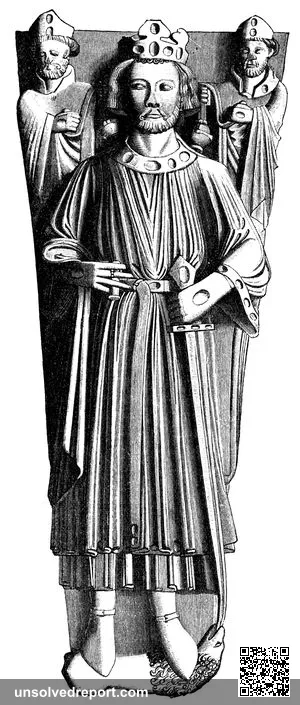
What happened after, though, nobody argues about. John got worse, fast. He was carried onward and died at Newark Castle on the night of 18–19 October 1216 — just days after the Wash swallowed his baggage (Wikipedia: John, King of England). His nine-year-old son was rushed onto the throne as Henry III at Gloucester on 28 October 1216 — not at Westminster, which was in enemy hands — and reportedly crowned with a plain gold circlet instead of the ancient royal crown (Henry III of England). A boy king, crowned in a hurry, with a borrowed band of gold on his head.
The Question Nobody Can Answer
Here is the heart of it, and it is stranger than the legend lets on: we don't actually know what was lost, or exactly where.
Start with the what. England's royal regalia before the 1200s is barely documented — there is almost no contemporary inventory, no list, no careful description — so historians simply cannot say which objects, if any, went into the Wellstream (History Hit). We do know John had piled up a huge hoard during the war: gold and silver plate, cups, flagons, rings, church treasure — the same kind of buried royal wealth that would turn up centuries later in England's Staffordshire Hoard (Lost jewels of John). But whether the formal "crown jewels" — the coronation regalia itself — were in that one doomed convoy is exactly the question no document will answer.
The where is just as slippery. The Wash of 1216 was far bigger than the Wash you would see today. Centuries of silting, monks draining the land, and deliberate reclamation have shoved the coastline outward, leaving ground that was once underwater now high and dry — towns like King's Lynn that used to sit on the water are now stranded inland (Wikipedia: The Wash). The old Wellstream crossing — usually placed somewhere between Wisbech and Sutton Bridge — may now lie buried under farmland, miles from any shore. Which is a big reason searches have come up empty for hundreds of years, and why some people doubt there is any recoverable hoard down there at all (Lost jewels of John).
So Where Did the Treasure Go? Three Stories
Everything below is interpretation and legend — clearly flagged as such. The firm ground ended back up there in the records.
Story one: a king's treasure still sleeps under the Fens. This is the romantic version, the one that fuels metal-detector fever dreams and treasure hunts to this day. Somewhere under the reclaimed fields of Lincolnshire and Cambridgeshire, a crown and a king's jewels lie intact, waiting. It is built mostly on Roger of Wendover's dramatic "sucked in everything" account. Could it be true? Maybe. But it leans on the most exaggerated source — and on regalia that may never have been in those wagons in the first place. Treat it as the legend it is.
Story two: the loss was real, but a lot smaller than the legend says. Plenty of historians side with Ralph of Coggeshall's calmer telling: John lost wagons and household goods — a genuine disaster, but not the disappearance of the nation's crown. And there is one striking clue backing them up. The regalia used at Henry III's second, proper coronation at Westminster in 1220 seems to match items from John's own 1216 regalia closely — a crown, a sword, a scepter, a tunic — which strongly hints those key pieces had been kept safe all along and never went anywhere near the Wash, unlike the pawned and vanished crown of Poland's Sroda treasure centuries later (Henry III of England). On top of that, St Edward's Crown is reported to have survived to be used later (History Hit). The crown jewels, it seems, may simply have been somewhere else.
Story three: the legend grew in the telling. A third reading says the "lost crown jewels" is really a story that ballooned over time. A real but limited baggage loss, pinned to a despised king who died days later, made for an almost mythic ending — the tyrant stripped bare by the sea itself. As the dramatic version spread, the contents got imagined upward, from wagons of plate and coin into "the Crown Jewels," and the legend took on a life of its own, drifting further and further from the evidence.
So what are we left with? Not a solved case — a beautifully balanced one. A baggage train really was swallowed by the tidal Wash in October 1216. A sick king really did die at Newark days later. A frightened boy really was crowned in haste with a borrowed circlet. But whether England's crown jewels truly went down with the wagons — or whether the sea took only plate, coin, and a legend — remains, fittingly, swallowed by the tide. Somewhere out in the world, other famous treasures have vanished just as completely — including, seven centuries later, another set of stolen crown jewels that walked out of a locked safe in Dublin. The trick is knowing which ones are still waiting to be found.
Sources & Further Reading
- Lost jewels of John, King of England — Wikipedia
- John, King of England — Wikipedia
- How Did King John Lose the Crown Jewels? — History Hit
- King John's Lost Treasure — History Today
- The Wash — Wikipedia
- Henry III of England — Wikipedia
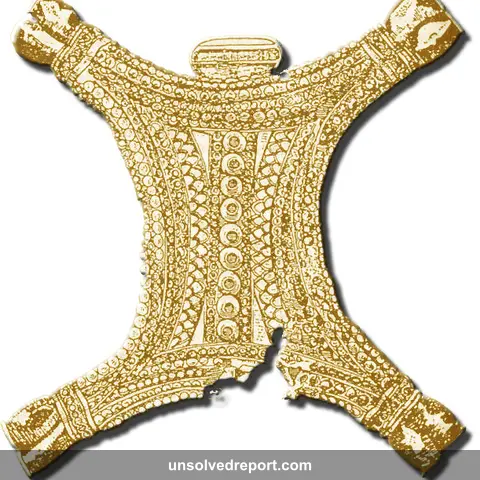
El Carambolo Treasure: The Gold That Wasn't Supposed to Exist
3 kilos of 2,700-year-old gold, buried under a Seville shooting club — and a lab test that quietly demolished the Atlantis theory. What it actually proves is stranger.
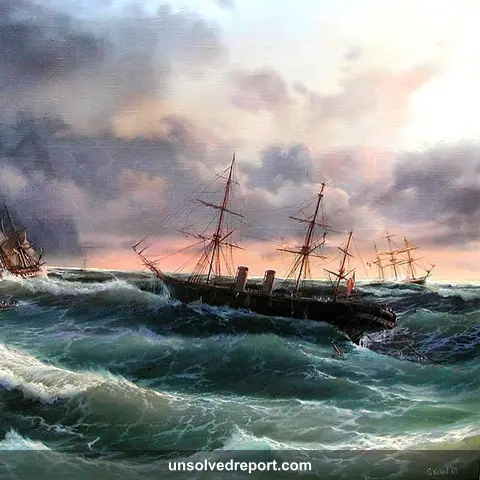
11 Shipwrecks That Swallowed Fortunes Still Missing
Galleons of silver, ships of gold, royal emeralds lost to the sea — here are 11 famous shipwreck treasures, and the fortunes still unaccounted for below.
Batavia Shipwreck Mutiny: The Massacre Nobody Warns You About
Batavia shipwreck mutiny: a coral reef, a power vacuum, and 125 dead before rescue arrived. Two men vanished after — and no one has ever found out why.